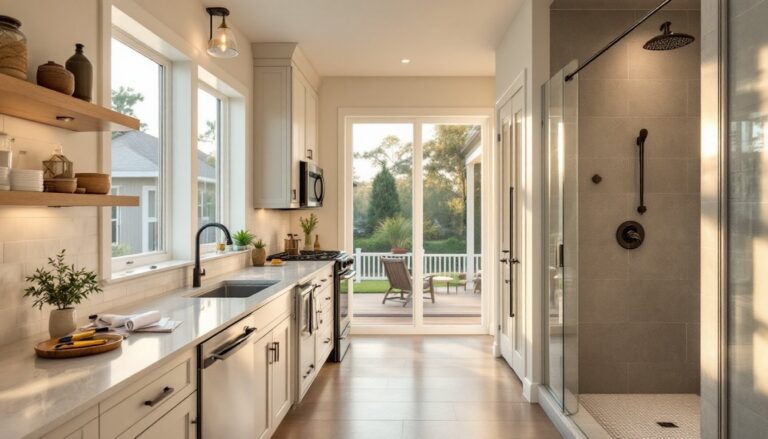
A counter depth refrigerator offers a sleeker, built-in appearance than standard full-depth models, without the price tag of custom cabinetry. At roughly 24 to 25 inches deep (compared to 30+ inches for standard units), these appliances align flush with kitchen countertops and islands, creating a cohesive, design-forward look. Home Depot stocks an expanding range of counter depth refrigerators across multiple price points and brands, making it easier than ever for homeowners to find a model that balances style, storage, and long-term value. Whether you’re renovating a galley kitchen or upgrading aging appliances, understanding what sets counter depth units apart will help you make an informed purchase.
Table of Contents
ToggleKey Takeaways
- A Home Depot counter depth refrigerator offers a sleek, flush-mounted look that saves kitchen space and renovation costs compared to standard full-size models, typically ranging from $2,000 to $7,000.
- Counter depth units sacrifice roughly 2–7 cubic feet of storage compared to standard models, making them ideal for small households, fresh-meal cookers, or kitchens with dedicated pantries.
- ENERGY STAR certified counter depth refrigerators save $240 annually on electricity and $2,400–$3,600 over a 10–15-year lifespan, often qualified for utility rebates of $50–$200.
- Key features to prioritize include french doors, reversible hinges for tight spaces, inverter compressors for efficiency, and adjustable shelving; always measure your cabinet opening carefully before purchasing.
- Home Depot’s selection spans reliable budget brands (GE, Whirlpool) starting at $2,000–$2,500 to premium options (KitchenAid, LG) exceeding $5,000, with delivery, installation, and extended warranty protection available.
Why Counter Depth Refrigerators Are Worth Considering
Counter depth refrigerators solve a real design problem: standard full-size models protrude awkwardly into traffic lanes and break up the clean lines of a modern kitchen. Because counter depth units sit flush with or slightly behind the counter edge, they create a seamless look that works especially well in open floor plans and smaller kitchens where every inch counts.
The trade-off is usable interior space. A counter depth fridge typically offers 20 to 23 cubic feet compared to 25+ cubic feet in a standard-depth model. For families of three or four, or anyone without a separate freezer, this can feel tight during holiday cooking or bulk shopping. But, if you prefer cooking fresh meals, meal-prep regularly, or have a dedicated pantry, the modest capacity loss isn’t a dealbreaker.
From a renovation standpoint, installing a counter depth unit avoids the headache of repositioning cabinets or custom-fitting a standard fridge into existing space. You can often drop a new counter depth refrigerator into the footprint of an old one with minimal cabinet work. That alone saves thousands compared to reframing and re-finishing cabinetry to accommodate a deeper appliance.
Home Depot’s Counter Depth Refrigerator Selection and Brands
Home Depot carries a solid roster of counter depth refrigerators from brands like LG, Samsung, GE, Whirlpool, and KitchenAid. LG and Samsung models dominate the mid-to-premium range and typically lead with features like ice makers, water dispensers, smart temperature controls, and sleek stainless steel finishes. GE and Whirlpool options span from budget-friendly to mid-tier, offering reliable performance without cutting-edge extras.
At the higher end, Home Depot stocks KitchenAid and Jenn-Air counter depth refrigerators aimed at serious cooks and design-focused homeowners willing to invest $4,500 to $6,000+. These models often feature panel-ready doors (meaning you can apply custom cabinetry panels to match your kitchen) and specialized compartments for wine, deli, or precise humidity control.
For value-conscious shoppers, basic stainless or white GE and Whirlpool units start around $2,000 to $2,500. The selection varies by location and season, so checking Home Depot’s website or calling your local store helps confirm what’s in stock before visiting. Many models also qualify for seasonal sales events and rebates, which can trim $200 to $500 off the final price.
Key Features to Compare When Shopping
When evaluating counter depth refrigerators, prioritize storage layout, door type, ice and water dispensers, and shelving flexibility. Some models feature french doors (easier access to frequently used items), while others use a traditional single-door or bottom-freezer design. French doors typically cost $300 to $800 more but reduce cold air loss when opening and feel less cramped in narrow kitchens.
Ice makers and water dispensers are convenient but add cost and require a water line connection near the fridge location. If your kitchen layout makes plumbing difficult, ask the sales associate about retrofit options or skip this feature entirely. Many homeowners don’t miss built-in ice makers if they’re willing to fill a traditional ice tray or use a countertop ice maker.
Certified energy-efficient models (look for the ENERGY STAR label) use roughly 20% less electricity than standard units, which translates to $15 to $30 per month in savings. Over a 10-year appliance lifespan, that compounds quickly. Adjustable shelves, humidity-controlled drawers, and interior lighting are quality-of-life features that justify the cost if you store diverse foods (fresh produce, deli meats, beverage storage).
Layout and Design Considerations
Measure your existing fridge opening carefully before shopping. Counter depth units assume a standard opening depth of roughly 24 to 25 inches, but cabinet width and height vary. Bring measurements of the existing opening, including any protruding hardware, handles, or molding. Some models are less than 24 inches deep, which works if your opening is tight: others extend to 25 or 26 inches, so verify clearance before purchase.
Door swing is another overlooked detail. In galley kitchens, a right-hinged door may hit a wall when fully open. Many models offer reversible doors, letting you flip hinges on-site (though this requires removing the door and reassembling). If you live in an apartment or rental, confirm your lease allows fridge replacement before committing to a purchase.
Energy Efficiency and Long-Term Savings
A counter depth refrigerator that’s ENERGY STAR certified costs 15% to 25% more upfront than a standard model but pays dividends over time. An ENERGY STAR fridge uses approximately 575 kilowatt-hours annually, versus 700+ for an older or non-certified unit. At a national average of $0.16 per kilowatt-hour, that’s roughly $20 per month in electricity savings, or $240 per year.
Over the typical 10-to-15-year lifespan of a refrigerator, this adds up to $2,400 to $3,600 in utility savings. Some utility companies also offer rebates ($50 to $200) for purchasing ENERGY STAR appliances, which offset a portion of the premium. Check your local utility website for current incentive programs before finalizing your purchase at Home Depot.
Compressors and cooling systems vary by brand. Inverter compressors (found on many Samsung and LG models) adjust cooling intensity based on demand, using less energy during light-load periods. This technology is worth seeking out if energy efficiency is a priority. Conversely, fixed-speed compressors cycle on and off more frequently, consuming slightly more power but offering proven, simple reliability.
Pricing, Warranties, and Installation Services
Counter depth refrigerators at Home Depot typically range from $2,000 to $7,000 depending on brand, features, and finish. Budget models (GE, Whirlpool) cluster in the $2,000 to $3,500 range. Mid-tier options (Samsung, LG) sit between $3,000 and $5,000. Premium units (KitchenAid, high-end LG) exceed $5,000. Sales, rebates, and financing options (like Home Depot’s 12-month no-interest offer on purchases over $500) can reduce the effective cost significantly.
Most manufacturers include a one-year parts and labor warranty covering mechanical failures. Extended warranties ($200 to $400) stretch coverage to 3 to 5 years, protecting against compressor failure and component breakdowns. Given the appliance’s complexity and cost, a 3-year extended warranty is reasonable insurance, especially if you plan to stay in your home long-term.
Home Depot offers delivery and installation services for a flat fee (typically $150 to $300 depending on location). This includes hauling away your old refrigerator, positioning the new unit, and connecting water lines if applicable. Installation service is worth the cost if you’re uncomfortable with manual labor, lack the tools for door hinge work, or simply want a hassle-free transition. Ask the installer to test the unit before leaving to catch any defects early.
Making Your Purchase at Home Depot
Start by visiting Home Depot’s website and filtering counter depth refrigerators by price, brand, and features. Read customer reviews carefully, look for patterns around ice maker reliability, compressor noise, and door seal longevity rather than isolated complaints. Design-focused sources like Remodelista and The Kitchn also offer thoughtful appliance recommendations and style pairings worth considering.
Visit your local Home Depot to see models in person, if possible. Open and close doors, inspect shelving depth, and note any visible gaps or loose-fitting components. Ask the floor associate about return policies (Home Depot typically allows 30 days) and whether the model qualifies for current promotions.
Before finalizing your order, confirm delivery dates, installation availability, and your kitchen’s readiness. Will you need an electrician to upgrade the outlet or water line? Does your cabinet opening require shimming or reinforcement? Addressing these logistics upfront prevents frustrating delays. Independent reviews on best counter-depth refrigerators also provide real-world performance data and feature breakdowns to inform your final decision.