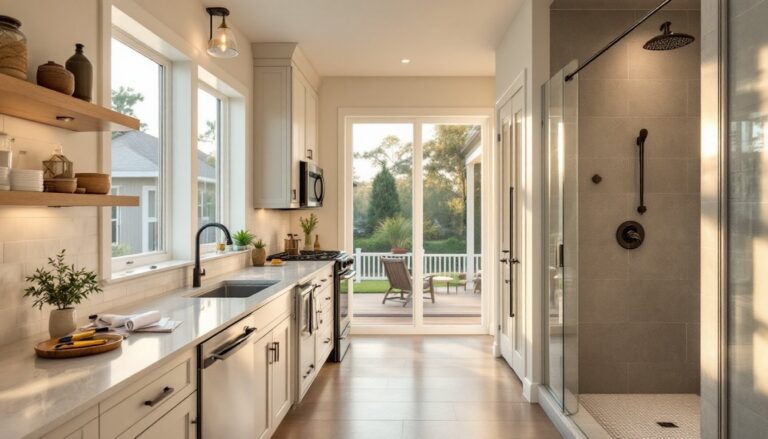
Home additions and remodeling don’t have to drain your savings or consume your entire year. Whether you’re adding square footage, refreshing a kitchen, or updating a bathroom, smart planning and honest decision-making about DIY versus professional help can deliver real value without the sticker shock. This guide walks through the essentials: budgeting realistically, prioritizing the spaces that matter most, understanding which projects return investment, and knowing when to call in the professionals. You’ll learn how to navigate permits and codes while keeping your sanity and your bank account intact.
Table of Contents
ToggleKey Takeaways
- Plan your home additions and remodeling project thoroughly before starting by documenting current conditions, measuring spaces, and defining clear goals to prevent costly mistakes.
- Set a realistic budget by adding 15–25% contingency for unexpected issues like hidden damage or code violations, then validate costs with multiple contractor quotes and regional cost estimators.
- Prioritize kitchen, bathroom, and primary bedroom remodeling first, as they deliver the highest ROI and daily comfort, and research local market trends with a realtor before committing to expensive work.
- Handle DIY projects only when mistakes are non-dangerous and visible (painting, trim, simple framing), but hire licensed professionals for structural, electrical, plumbing, and HVAC work to ensure safety and code compliance.
- Never skip building permits—they protect your home’s resale value and prevent costly title issues, as unpermitted work must be brought up to code before a buyer’s lender will finance the sale.
Plan Your Project From the Ground Up
Every successful remodel starts with a solid plan, not a Pinterest board. Before you swing a hammer or order materials, walk through your home with a notepad and honestly assess what you’re trying to achieve. Are you adding space, fixing a broken system, or modernizing for resale? Your answer shapes everything that follows, budget, timeline, and whether you need permits.
Start by documenting the current state: take photos, measure wall and floor dimensions, note electrical outlets, plumbing locations, and HVAC zones. This sounds tedious, but it prevents costly mistakes later. A homeowner who measures their kitchen corner once and orders cabinets often ends up with a thousand-dollar error.
Set a Realistic Budget and Timeline
Budgets fail because they ignore the unexpected. Home remodeling almost always surfaces surprises, hidden water damage, outdated wiring, structural issues, or code violations that need fixing. Industry standards suggest adding 15–20% contingency on top of your estimated cost: some contractors recommend 25% for older homes. That isn’t padding: it’s insurance.
Break your total budget into categories: labor, materials, permits, and contingency. Get written quotes from at least three contractors if hiring out, and cross-check against cost estimators like HomeAdvisor’s to validate what’s reasonable in your region. Costs vary wildly by location, material grade, and local labor rates, so a bathroom remodel quoted at $15,000 in rural Kansas may cost $40,000 in Boston.
Timelines are similarly optimistic. If a contractor says eight weeks, expect ten. If you’re doing work yourself, assume double the time, life gets in the way, materials arrive late, and your knees get sore. Set a firm start date, a target completion date, and a realistic deadline you’ll announce to no one. You’ll hit somewhere in between.
Prioritize Which Rooms Matter Most
Not every room deserves equal attention or budget. Kitchens, bathrooms, and primary bedrooms command attention from buyers and deliver comfort to daily living. Conversely, a finished basement or third bedroom appeals to fewer people and takes longer to recoup its cost.
Think about your home’s bottlenecks. Does the kitchen feel cramped during dinner prep? Is your only full bathroom upstairs while the master bedroom is downstairs? Do you lack storage? These friction points deserve your remodeling dollars first. A strategic small bath remodel, replacing fixtures, updating tile, improving lighting, often costs 40–60% less than a full kitchen overhaul but addresses the daily pain point just as well.
If you’re remodeling for resale, research your local market. High-end finishes in a modest neighborhood rarely return their investment. Conversely, in competitive markets, buyers expect updated electrical service, modern HVAC, and recent roofing. Talk to a local realtor before committing to expensive cosmetic work: they’ll tell you what actually moves homes in your area.
Popular Home Additions That Add Real Value
Home additions, rooms that expand square footage, are the most ambitious remodeling move. They require permits, proper foundation work, and often structural planning. But they’re also among the few improvements that genuinely increase your home’s market value dollar-for-dollar, provided they’re done well.
The strongest performers are primary suite additions (master bedroom plus bath), bonus rooms over garages, and sunrooms that extend living space without requiring full HVAC overhauls. Finished basements and attics rank just below. Avoid additions that create poor flow, a fourth bedroom that you access only through another bedroom, for example, or that strain your home’s systems (adding two bathrooms on a system sized for one).
Additions almost always require building permits, zoning approval, and site plan review. They typically need a licensed contractor to handle foundation, framing, and electrical rough-in. DIY finishing work, drywall, painting, trim, is realistic for confident DIYers, but the structural skeleton belongs to professionals. Budget 15–25% of your total addition cost for permits and inspections alone.
Kitchen and Bathroom Remodels: ROI and Design Trends
Kitchens and bathrooms dominate remodeling budgets because they involve plumbing, electrical, and often structural updates. They’re also the spaces buyers scrutinize most closely. A dated kitchen kills a sale: a thoughtful one closes it.
For kitchens, expect $100–150 per square foot for a mid-range remodel (new cabinets, countertops, appliances, backsplash, flooring) in most markets. High-end runs $200+ per square foot. The single highest ROI comes from visible upgrades, cabinet refinishing or replacement, new countertops, and fresh hardware, paired with functional improvements like better lighting and ventilation. Gut renovations that move plumbing or add island seating are tempting but expensive: prioritize what’s broken or outdated first.
Bathrooms typically return 60–70% of their cost at resale, compared to kitchens’ 50–60%. A full master bath remodel (new vanity, tile, fixtures, flooring) ranges $15,000–$30,000. Guest baths cost less and, paradoxically, often see quicker ROI because they’re lower risk for buyers concerned about hidden damage. Half-baths (powder rooms) are affordable and punch above their weight in perceived value.
Current trends favor timeless over trendy: white or neutral cabinetry, quartz or granite countertops (rather than exotic materials that date quickly), and classic subway tile. Chrome and brushed nickel fixtures remain standard for good reason, they’re affordable, durable, and work with any future design shift. Avoid ultra-bold colors in permanent fixtures: save bold choices for paint, hardware, or accessories you can change later.
DIY vs. Hiring Professionals: When to Do It Yourself
The best DIY projects are those where mistakes are visible but not dangerous, and where labor is the biggest cost. Painting, tile finishing, simple framing repairs, and trim carpentry fit this profile. You’ll save 50–70% in labor if you’re competent and careful.
Stay away from structural work (load-bearing walls, joist repairs, major framing changes), electrical beyond basic outlet replacement, plumbing beyond simple fixture swaps, and HVAC unless you’re licensed. These fields have code requirements, safety risks, and warranty implications. A wrongly installed electrical circuit can cause a fire: a botched plumbing repair causes water damage: a structural error can compromise your home’s integrity. Insurance won’t cover work by unlicensed operators, and resale buyers will demand everything be brought up to code anyway.
Be brutally honest about your skills. Watch a YouTube video on drywall finishing, and it looks straightforward. Do it for the first time in your hallway, and you’ll see the difference. Mistakes cost time and rework expenses that often exceed what a pro would have charged. If you’ve never done the job type before, either hire a pro or accept that you’ll spend significant time learning and that the result might be mediocre.
Resources like This Old House’s renovation tutorials offer legitimate guidance for legitimate DIYers. Use them, but couple them with honest self-assessment.
Permits, Inspections, and Building Code Compliance
Permits feel like bureaucratic friction, but they exist because buildings collapse and fires start when corners are cut. Major work, additions, electrical rewiring, plumbing overhauls, structural changes, roofing, requires permits in virtually every jurisdiction. Minor cosmetic work (paint, new fixtures, cabinet replacement) typically doesn’t.
When you pull a permit, the local building department reviews your plans, you pay fees (typically $500–$2,000 depending on project scope), and inspectors visit at framing, electrical rough-in, and final stages. This slows your timeline by 2–4 weeks and adds cost, but it certifies your work and protects your resale. Unpermitted work is a title issue: a future buyer’s lender will require it be brought up to code or they won’t finance the sale.
Building codes vary by jurisdiction but follow national standards (the International Building Code, or IBC). Common requirements include electrical outlet spacing, load requirements for structural members, ceiling height minimums, egress windows in bedrooms, and ventilation standards for kitchens and baths. If you’re hiring a contractor, this is their responsibility: if you’re pulling permits yourself, you’ll need plans. Many homeowners hire a draftsperson ($300–$800) to prepare plans rather than doing it themselves.
Never skip permitting to save money. Future buyers, your insurance company, and your city’s building department will eventually catch up, and the cost to fix unpermitted work far exceeds what a permit would have cost.
Moving Forward With Your Remodeling Project
Home additions and remodeling succeed when you plan deliberately, set realistic expectations, and match the scope of work to your budget and skill level. Start with a honest assessment of what your home needs, not what Instagram tells you it should have. Prioritize rooms that deliver both daily comfort and resale value. Get multiple quotes, build in contingency, and treat permits as insurance, not an obstacle. The projects you DIY should match your actual skill level, not your ambitions. Done right, a remodel transforms how your family lives in your home while protecting your investment for the future.