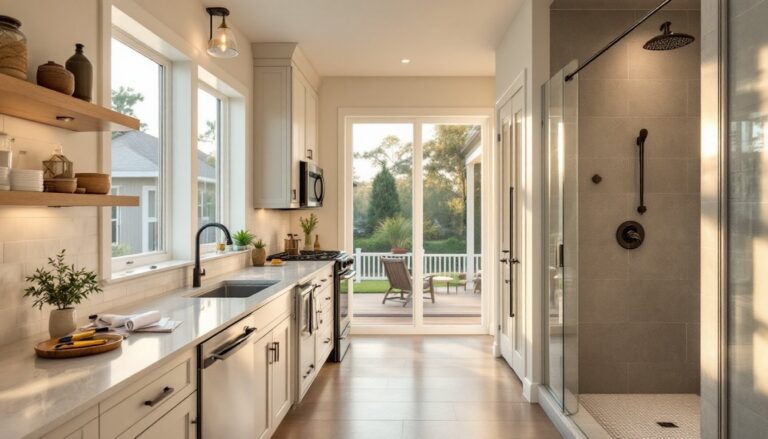
A quality remodel isn’t just about aesthetics, it’s about building a home that works harder for you. Whether you’re tired of that cramped kitchen, frustrated by outdated plumbing, or ready to add real square footage and functionality to your living space, a well-executed remodeling project pays dividends in both daily comfort and long-term property value. The key is knowing where to invest, how to plan smartly, and when to bring in the professionals. This guide walks you through the essentials of home quality remodeling, from setting priorities and budgets to selecting materials and contractors that deliver lasting results.
Table of Contents
ToggleKey Takeaways
- Quality home remodeling improves daily livability and protects your investment, with kitchen and bathroom upgrades typically recouping 50–80% of costs at resale.
- Prioritize structural soundness and high-impact zones: focus on addressing immediate problems like roof leaks or electrical issues before cosmetic upgrades.
- Budget for hidden issues by padding contractor estimates by 15–20%, and always get detailed written quotes itemizing labor, materials, timeline, and payment terms.
- Select durable, fit-for-purpose materials such as solid wood cabinets, quartz countertops, commercial-grade flooring, and quality paint that justify long-term durability over initial cost.
- Know your limits: handle cosmetic DIY work like painting and shelving, but hire licensed contractors for structural, electrical, plumbing, and HVAC work to ensure code compliance and resale value.
- Plan realistic timelines accounting for permits (2–4 weeks) and project duration—kitchens typically take 6–12 weeks, bathrooms 4–8 weeks—and consider a phased approach if budget is tight.
Why Quality Remodeling Matters for Your Home’s Value and Livability
Quality remodeling serves two critical purposes: it improves how you live daily and protects your investment. A poorly executed remodel, cheap finishes that chip, structural shortcuts, or misaligned layouts, creates headaches that compound over time and eventually devalue your home.
According to industry data, kitchen and bathroom remodels typically recoup 50–80% of their cost at resale, depending on the scope and local market conditions. But the real payoff is functional: a well-planned kitchen with proper workflow, adequate storage, and reliable appliances transforms how your household operates. Similarly, upgrading to quality insulation, HVAC systems, or electrical capacity doesn’t just feel better, it reduces energy bills and prevents costly failures down the road.
Structural soundness, proper materials, and skilled execution matter most. A quality remodel means choosing substrates that won’t swell or warp, finishes rated for moisture and wear, and workmanship that respects building codes and the home’s original structural integrity.
Planning Your Remodeling Project: Setting Goals and Budget
Before you swing a hammer or call a contractor, define what you want to achieve and what you can spend.
Start by auditing your home’s current condition. Walk through each room and write down what frustrates you, what’s broken or outdated, and what consumes extra time or money (high utility bills, frequent repairs, poor flow). This list becomes your priority roadmap. Next, research comparable homes in your area. Real estate sites, local appraisals, and conversations with realtors give you a sense of what upgrades matter in your market.
Budgeting is where many homeowners stumble. Get quotes from multiple contractors and suppliers, and always pad estimates by 15–20% for hidden issues (mold, asbestos, outdated wiring) that typically surface once walls open up. Resources like HomeAdvisor and ImproveNet provide rough cost guides by region and scope: use them as sanity checks, not gospel. Distinguish between fixed costs (labor, permitting) and material costs, which fluctuate seasonally and by supplier.
Defining Your Remodeling Priorities and Timeline
Not all upgrades are created equal. Prioritize work that addresses immediate problems (a leaking roof, failing HVAC, outdated electrical panel) before cosmetic upgrades. Then rank your wants: full kitchen overhaul, master bath upgrade, flooring refresh, or adding a deck. Be realistic about timeline too. A quality kitchen remodel typically takes 6–12 weeks depending on scope: bathroom work, 4–8 weeks. Factor in permitting delays (2–4 weeks in many jurisdictions) and lead times for custom cabinets or specialty materials. Set a phased approach if budget is tight, tackle the kitchen now, bathroom next year.
Kitchen and Bathroom Remodels: High-Impact Upgrades
Kitchens and bathrooms deliver the highest impact because they’re expensive to build, heavily used, and heavily valued by buyers and renters alike.
Kitchen Remodels should focus on the work triangle (distance between sink, stove, and refrigerator), adequate counter space (at least 36 inches of clear countertop for food prep), and storage. Don’t skimp on cabinets, solid wood or plywood-core cabinetry with quality hardware lasts decades: flat-pack or veneer-only units fail sooner. Countertops matter too: quartz is more durable and low-maintenance than laminate, and granite demands sealing but ages beautifully. Flooring must handle moisture and heavy foot traffic: porcelain tile, luxury vinyl, or solid hardwood all work, but avoid thin vinyl or unfinished wood. Appliances, especially the refrigerator, range, and dishwasher, are long-term investments: buy Energy Star rated if budget allows.
Bathroom Remodels prioritize ventilation, waterproofing, and durability. Install an exhaust fan rated for your bathroom’s square footage (a rule of thumb: one CFM per square foot, minimum 50 CFM). Use cement board or waterproof drywall behind tile, not standard drywall, which rots if water breaches grout or caulk. Tile, porcelain, or encaustic finishes resist moisture. Storage (medicine cabinet, vanity, shelving) prevents clutter and mold risk. Lighting is often overlooked, add task lighting around the mirror and adequate ambient light to prevent shadows and humidity buildup. Consider accessibility too: grab bars and a walk-in shower add safety and resale value without looking institutional.
Both projects often uncover hidden issues: rotted subfloors, corroded plumbing, inadequate electrical circuits. Budget generously and trust your contractor’s recommendations when demo reveals problems.
Choosing Quality Materials and Finishes That Last
Material choices ripple through your remodel’s durability, maintenance burden, and cost. Quality doesn’t always mean expensive: it means fit-for-purpose.
For paint, buy premium interior paint, brands like Benjamin Moore, Sherwin-Williams, or Behr Marquee have better pigment loading and coverage (typically 300–400 sq. ft. per gallon vs. 200–250 for budget paint), meaning fewer coats and longer durability. Apply proper primer on new drywall or stained surfaces: it prevents bleed-through and adhesion problems. For kitchens and bathrooms, use semi-gloss or satin finishes, which resist moisture better than flat.
Flooring is a long-term commitment. Hardwood requires acclimation (leave it indoors 3–5 days before install), subfloor flatness (within 3/16 inch over 10 feet), and periodic refinishing. Luxury vinyl plank (LVP) and sheet vinyl are budget-friendly and waterproof, but quality varies: buy commercial-grade rather than residential for kitchens. Tile demands proper substrate and grout selection: use epoxy grout in kitchens and baths for stain and mold resistance.
Cabinets should have solid frames, dovetail or mortise-and-tenon joinery, and full-extension slides. Flat-pack units save money upfront but wear out faster. Countertops like quartz and granite require professional sealing (granite annually, quartz per manufacturer specs). Laminate is affordable but dents and isn’t repairable. Budget for underlayment, backerboard, and substrate, skipping these to save money guarantees failure.
Following expert guidance on material prioritization helps you allocate budget where it counts most: high-traffic areas, high-moisture zones, and finishes you see daily.
Hiring the Right Contractor vs. DIY Approach
Know your limits. Cosmetic work, painting, simple tile backsplash, shelving installation, is DIY-friendly if you’re patient and own basic tools. Structural changes, electrical rewiring, plumbing reroutes, and HVAC work demand licensed professionals and permits. Violating code isn’t just risky: it kills resale value and creates liability if something fails.
When hiring a contractor, ask for references and check them thoroughly (call, not just text). Request detailed written estimates, itemizing labor, materials, timeline, and payment schedule. Licensed contractors carry liability insurance and bonding: verify both. Get everything in writing, scope of work, timelines, payment terms, cleanup expectations, and warranty coverage. Watch for red flags: contractors who avoid written agreements, demand large upfront payments, or pressure you into decisions.
If you DIY, invest in quality tools (a miter saw for trim work, a drill-driver, a stud finder, a level) rather than cheap ones that wear out. Rent specialty equipment (tile saw, pneumatic nailer, scaffolding) rather than buying once-per-decade tools. Always wear appropriate PPE: safety glasses when cutting or grinding, a dust mask or respirator for drywall sanding, gloves for handling lumber or concrete. Work methodically: rushing causes accidents and bad results.
The hybrid approach, you handle demo and prep, a contractor handles the skilled install, splits cost and lets you retain control over pacing. Many homeowners find this satisfying and cost-effective.
Conclusion
Quality remodeling transforms your home’s function and value, but only if you plan carefully, invest in durable materials, and respect the boundary between DIY and professional work. Start by defining what matters most, set a realistic budget with contingency funds, prioritize high-impact zones like kitchens and bathrooms, and choose finishes that withstand daily wear. Hire licensed contractors for structural and systems work, and tackle prep and cosmetic finishing yourself if you’re confident. The result: a home that works as hard as you do and stands up to time.