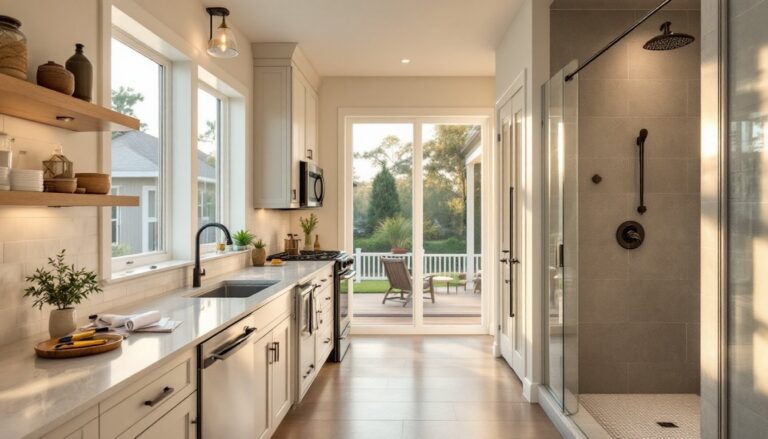
Raleigh’s real estate market is heating up, and homeowners who aren’t building new are investing in what they already own. Whether you’re looking to modernize an aging kitchen, add a bathroom, or tackle a full-house refresh, home remodeling in Raleigh offers solid ROI and immediate quality-of-life improvements. The trick isn’t dreaming up the perfect design, it’s executing the plan without blowing your budget or timeline. This guide walks you through the essentials: why remodeling makes sense in Raleigh right now, how to plan smartly, what projects are trending, and how to navigate contractors and DIY decisions with confidence.
Table of Contents
ToggleKey Takeaways
- Strategic home remodeling in Raleigh increases both resale value and daily quality of life, with kitchens, bathrooms, and outdoor spaces delivering the strongest ROI.
- Set a realistic budget with a 15–20% contingency buffer and research Raleigh-specific costs—kitchen remodels typically range from $25,000–$100,000 depending on scope.
- All structural, electrical, plumbing, or HVAC work requires permits and inspections under North Carolina Building Code; unpermitted work can result in fines, insurance claim denials, and resale complications.
- When hiring a contractor, verify NCLB licensing, request at least three bids, check references, and require a detailed signed contract that includes scope, timeline, and payment schedule.
- Know your DIY limits: reserve professional work for structural, electrical, plumbing, and HVAC systems, while cosmetic tasks like painting and tiling can save thousands if you have skills and time.
Why Raleigh Homeowners Are Prioritizing Remodeling Projects
Raleigh’s housing market is competitive, and property values have climbed steadily. Many homeowners recognize that strategic remodeling, especially in high-impact areas like kitchens, bathrooms, and outdoor living spaces, increases both resale value and daily enjoyment. The Research Triangle’s growing economy means more disposable income, rising home equity, and longer-term owners who want to age in place. Also, Raleigh’s climate (hot summers, occasional winter weather) makes energy-efficient upgrades and durable materials especially practical. Homeowners are also responding to the region’s expanding neighborhoods and lifestyle shifts: remote work has driven demand for dedicated home offices and flexible spaces. Unlike cosmetic trends that fade, these functional improvements address real needs and hold value through market cycles.
Essential Planning Steps Before Starting Your Raleigh Remodel
Successful remodeling begins with clarity on scope, timeline, and constraints. Before calling a contractor or picking up a hammer, define what “done” looks like. Are you refreshing the space (paint, fixtures, layouts) or restructuring it (moving walls, relocating plumbing, shifting load-bearing support)? Cosmetic work stays under the homeowner’s control: structural changes pull in permits, inspectors, and licensed professionals. Write down your must-haves and nice-to-haves separately, this discipline prevents scope creep and keeps decision-making anchored.
Setting a Realistic Budget and Timeline
Budget and timeline are conjoined twins: mess up one and the other suffers. Start by researching typical costs in your area using tools like HomeAdvisor, which lets you compare project costs by region and contractor tier. A modest kitchen remodel in Raleigh typically runs $25,000–$50,000: a full renovation can exceed $100,000. Bathroom remodels usually land between $10,000–$30,000, depending on whether you’re replacing fixtures or gutting and relocating utilities. Don’t anchor to national averages: Raleigh’s labor rates and material availability differ from coastal markets or rural areas. Build in a 15–20% contingency buffer for the unexpected, hidden rot, code violations, or design pivots discovered mid-project. For timeline, factor in material lead times (custom cabinetry can take 8–12 weeks), permit wait times (Raleigh’s permit office typically processes applications within 5–10 business days), and contractor availability. Summer is peak season: spring and fall often mean shorter waits and negotiating power.
Navigating Permits and Local Codes in Raleigh
Raleigh follows the North Carolina Building Code, which adopts the International Residential Code (IRC) with state amendments. Any work affecting structure, electrical, plumbing, HVAC, or egress (like adding a window) requires a permit and inspection. Interior cosmetic projects (paint, flooring, fixture swaps on existing lines) often don’t, but verify with Raleigh’s Permitting & Inspections Division before assuming. Permits cost $25–$500+ depending on project scope and are issued based on square footage and work type. Many homeowners skip permits to “save money,” but unpermitted work can trigger fines, insurance claim denials, and sales complications. Licensed contractors know local code requirements and build permit costs into their bids: DIYers must pull and understand permits themselves or hire a consultant. Raleigh uses digital permit tracking through its online system, so you can monitor inspection schedules and approval status in real time.
Popular Home Remodeling Projects in Raleigh
Kitchen remodels dominate Raleigh’s renovation landscape, driven by outdated appliances, cramped layouts, and low lighting in older homes. Common upgrades include installing a mid-range dishwasher (about $400–$800), painting or staining cabinetry, replacing countertops with quartz or butcher block, and adding under-cabinet LED lighting. Bathroom remodels rank second, often targeting 1970s–1990s fixtures and layouts. Showers that transition from tub-surround to walk-in tile, vanities with storage, and updated ventilation are standard. Outdoor living spaces follow close behind, screened porches, decks, and patio expansions capitalize on North Carolina’s mild fall and spring seasons. Secondary bedrooms and home offices see steady demand as remote work persists. Finishing a basement or converting an attic to livable space is pricey but adds significant square footage. Finally, energy upgrades (new HVAC systems, spray-foam insulation, triple-pane windows) appeal to environmentally conscious owners and those managing rising utility costs. These projects often qualify for state or federal tax credits, making payback faster.
Finding and Hiring the Right Remodeling Contractor
Contractor selection makes or breaks a remodel. Start by asking neighbors, your realtor, or local home improvement groups for referrals, word-of-mouth still yields the most reliable leads. Check online reviews on Angi and Google, paying attention to how contractors respond to negative feedback and whether complaints point to communication or quality gaps. Verify licensing through the North Carolina Licensing Board for General Contractors: Raleigh-based general contractors must hold a current NCLB license displayed on their website or office. Request at least three bids from contractors willing to visit your home, measure the space, and discuss your goals in detail. Cheap bids often signal cut corners or hidden costs later: rates 20–30% below market should trigger red flags. Ask for references, call them, ask about timeline adherence, communication, and surprise costs. A signed contract must include scope of work (detailed), timeline with milestones, payment schedule (never pay the full deposit upfront), warranty terms (materials and labor), and how change orders are handled. Require proof of liability insurance and workers’ compensation: an uninsured contractor’s injury on your property becomes your liability. Red flags include pressure to pay cash, reluctance to provide written estimates, or promises to “skip permitting to save money.”
DIY vs. Professional Remodeling: Making the Right Choice
Know your boundaries. Structural work, electrical beyond outlet swaps, plumbing beyond fixture replacement, and HVAC systems require licensed professionals in North Carolina, don’t DIY these or you’ll void permits and warranties. Cosmetic tasks, painting, simple tiling, basic carpentry, light fixture installation, are fair game if you have tools, patience, and time. A bathroom tile refresh or a kitchen paint job can save thousands if you do it yourself: a plumbing mistake costs more to fix than hiring a pro upfront. ImproveNet offers project guides and cost comparisons to help you realistically assess your skill level. Factor in tool rental costs, material waste (DIY waste is typically 10–15% higher than professional work), and the time commitment, a weekend painter might spend three weekends on a kitchen: a crew finishes in a week. Your schedule matters too: if you’re working full-time or have young kids, attempting a months-long remodel courts burnout and unfinished spaces. A hybrid approach often works best, hire professionals for complex structural or systems work, then handle the finishing touches yourself (paint, simple trim, hardware installation). This strategy keeps costs reasonable while ensuring the foundation is solid.