Asheville’s real estate market has seen steady growth over the past decade, with homeowners increasingly recognizing the value of strategic remodeling projects. Whether you’re drawn to the city’s mountain views, vibrant neighborhoods, or strong community spirit, upgrading your home can enhance both its functionality and resale appeal. The question isn’t whether to remodel, it’s where to start and who to trust with the work. This guide walks you through Asheville’s most popular remodeling projects, budget considerations, and how to find contractors who understand the local climate, building codes, and architectural character of the area.
Table of Contents
ToggleKey Takeaways
- Home remodeling in Asheville adds significant resale value and quality-of-life improvements, with kitchen and bathroom renovations being the most prioritized projects for homeowners.
- Asheville’s humidity and temperature fluctuations make energy-efficient upgrades like improved insulation, moisture barriers, and proper exhaust ventilation essential for durability and cost savings.
- Budget realistically: modest kitchen refreshes start around $15,000–$30,000, while full remodels exceed $60,000–$100,000+, and always include a 10–15% contingency for unexpected structural issues.
- Verify contractor licensing with North Carolina’s Licensing Board, confirm insurance and references, request itemized quotes from at least three contractors, and stage payments tied to project milestones.
- Asheville’s historic neighborhoods require architectural guidelines compliance, so confirm your contractor understands local permitting requirements and period-appropriate design before starting work.
Why Asheville Homeowners Are Investing in Remodeling
Asheville’s housing market reflects strong demand from both relocating professionals and retirees seeking quality of life. A significant remodeling investment can mean the difference between a dated home and one that competes in a competitive market. Many Asheville homeowners also view remodels as quality-of-life upgrades, updating kitchens for better functionality, expanding bathrooms for comfort, and adding outdoor living space to take advantage of the area’s temperate climate and natural scenery.
The region’s humidity and temperature fluctuations (winters dip near freezing, summers stay mild) also drive practical upgrades: improved insulation, moisture barriers, and energy-efficient windows help homes hold up against moisture intrusion and reduce utility costs. Also, Asheville’s historic neighborhoods impose certain architectural guidelines, so remodels often require thoughtful design that respects period details while improving livability.
Most Popular Home Remodeling Projects in Asheville
Kitchen and Bathroom Renovations
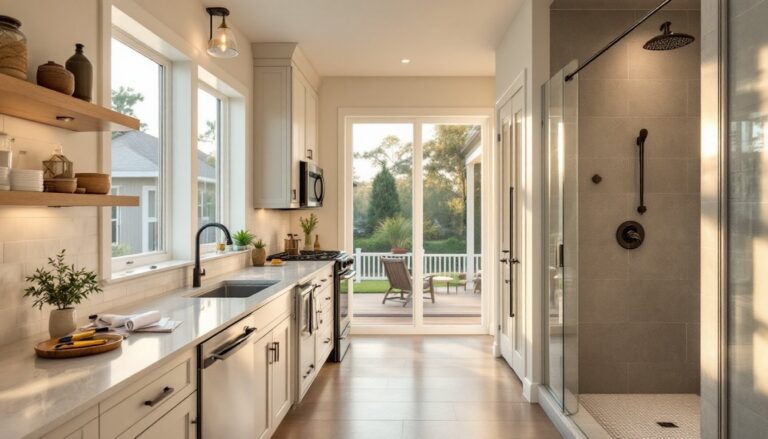
Kitchens and bathrooms are the workhorses of any home, and they’re the two projects Asheville homeowners prioritize most. A kitchen remodel typically involves new cabinetry, countertops (granite, quartz, or butcher block are popular locally), updated appliances, and improved lighting. Budget-conscious remodelers often keep the existing footprint to avoid relocating plumbing and electrical, a major cost driver.
Bathroom remodels range from cosmetic (new fixtures, tile, paint) to structural (moving walls, adding ventilation, installing heated floors). Asheville’s moisture climate makes proper exhaust ventilation and moisture-resistant materials essential. Many contractors recommend installing a humidity sensor fan that runs automatically after showers to prevent mold growth.
Both projects benefit from sourcing local contractors who understand regional suppliers and can recommend finishes that hold up in Asheville’s climate. Top kitchen and bathroom remodelers in Asheville often have portfolios featuring period-appropriate updates in historic neighborhoods.
Outdoor Living Spaces and Decks
Ashevillians love their patios, decks, and screened porches. A well-built deck extends living space and adds genuine property value, pressure-treated lumber (PT 2×6 joists spaced 16 inches on center) is standard, but composite materials like Trex require less maintenance and don’t splinter.
Screened porches address the region’s bug season (spring and summer can bring mosquitoes) while preserving mountain views. Hardscaping (patios with pavers or stone) complements deck projects and improves drainage on sloped lots, common in Asheville’s topography.
Note: Decks over 30 inches high typically require railing permits and inspections to meet North Carolina’s IRC (International Residential Code) standards. If your lot sits on a slope or near water, drainage and foundation work may need a licensed contractor and permit approval.
Budget Planning for Your Asheville Remodel
Budget ranges vary wildly depending on scope, materials, and whether you’re doing cosmetic or structural work. A modest kitchen refresh (new cabinets, countertops, backsplash) might run $15,000–$30,000. A full gut-and-redo kitchen can easily exceed $60,000–$100,000+ in Asheville, where local contractors command fair rates and material quality reflects demand.
Bathrooms are typically smaller budgets: a basic refresh lands around $5,000–$15,000, while a luxury remodel (heated floors, custom tile, high-end fixtures) hits $25,000–$50,000+. Outdoor projects depend on materials: a basic pressure-treated deck runs roughly $30–$50 per square foot, while composite or cedar decking approaches $60–$80+ per square foot.
Use online cost estimators like HomeAdvisor’s project planning tools to get regional benchmarks and ImproveNet’s remodeling guides for detailed breakdowns. Always request detailed written quotes from at least three contractors before committing. Factor in 10–15% contingency for unexpected structural issues (old homes often hide surprises once walls come open).
Materials also fluctuate: lumber, appliances, and tile prices shift seasonally and with market conditions. Asheville’s competitive contractor market means you can shop around, but the cheapest bid isn’t always the best, confirm licensing, insurance, references, and timeline.
Finding and Hiring the Right Contractor
Asheville’s construction community is tight-knit, and word-of-mouth remains the gold standard for finding trustworthy contractors. Ask neighbors, local real estate agents, and friends for referrals. Many established Asheville contractors have solid portfolios of local work and understand the city’s permitting process.
Before hiring, verify licensing (North Carolina Licensing Board for General Contractors), insurance (general liability and workers’ comp), and references. Call previous clients and ask about their experience: Did the contractor start and finish on schedule? How did they handle change orders or surprises? Were communication and cleanup professional?
Request itemized written quotes and never pay the full deposit upfront. Standard practice is 30–50% down, with the balance due upon completion (not before). For large projects, stage payments tied to milestones, foundation done, framing complete, finishes done.
Verify that your contractor pulls required permits for structural work, electrical, and plumbing. Asheville has specific requirements for historic districts, so confirm your contractor knows local guidelines. If you’re unsure whether your project needs a permit, contact the Asheville City Building Inspections office, they’ll clarify.
Also discuss timeline realistically. A kitchen remodel might take 4–8 weeks: a deck might be 2–3 weeks. Weather, material delays, and unforeseen structural issues can extend schedules, so build in buffer time and clarify communication protocols (weekly check-ins, written change orders).
Conclusion
Home remodeling in Asheville rewards careful planning, research, and hiring the right partner. Whether you’re updating a kitchen, adding a deck, or expanding a bathroom, understanding local costs, building codes, and contractor expectations sets you up for success. Take time to plan, get multiple bids, and don’t shy away from asking tough questions. A well-executed remodel pays dividends in comfort, functionality, and long-term home value.