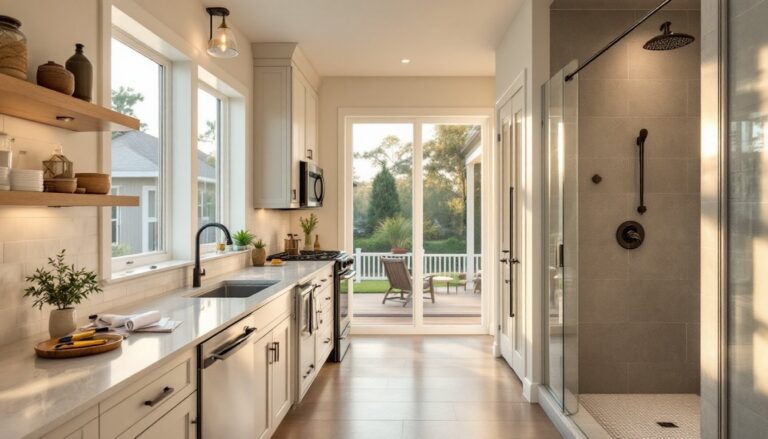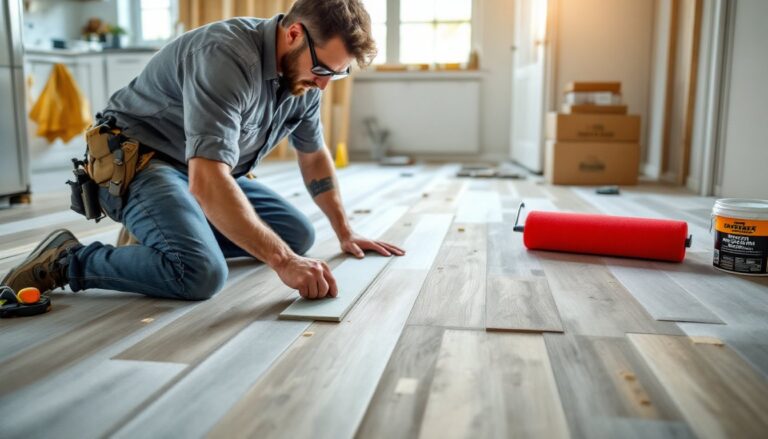
Whether you’re thinking about updating your kitchen, refreshing your bathrooms, or tackling a whole-home renovation, home remodeling in Milton is more accessible than ever. Milton homeowners are discovering that strategic remodeling projects don’t just improve daily living, they also enhance property value and create spaces tailored to how families actually live today. This guide walks you through the essential steps: understanding your home’s potential, setting a realistic budget, finding a qualified contractor, and navigating local regulations. By the end, you’ll have a clear roadmap for turning your remodeling vision into reality.
Table of Contents
ToggleKey Takeaways
- Home remodeling in Milton strategically improves both daily living and property resale value, with kitchen and bathroom projects recovering 60–70% of costs in competitive markets.
- Assess your Milton home’s structural bones—load-bearing walls, plumbing runs, and HVAC layout—before planning remodels, as these infrastructure elements heavily influence project scope and cost.
- Budget realistically by researching local costs, building in a 15–20% contingency fund to cover hidden issues, and getting at least three written estimates from licensed Florida contractors.
- Always hire a licensed, insured contractor with verifiable credentials and personal referrals; request itemized estimates and avoid upfront deposits exceeding 30% of project cost.
- Pull required permits through your contractor—they ensure code compliance and protect you at resale, while modern trends like energy-efficient systems, quartz countertops, and spa-like bathrooms deliver lasting appeal.
- Milton’s Santa Rosa County zoning rules and homeowners’ association restrictions may limit exterior changes or additions, so verify local regulations before design work begins.
Why Milton Homeowners Are Choosing Remodeling Projects This Year
Milton’s real estate market is seeing strong demand, and homeowners recognize that strategic remodeling improves both lifestyle and resale value. Whether it’s aging infrastructure, shifting family needs, or simply outdated finishes, remodeling addresses real problems while modernizing your home.
The appeal goes beyond aesthetics. A kitchen or bathroom update can solve functional issues, poor lighting, undersized storage, outdated plumbing, while adding years of use without a full rebuild. Kitchen and bathroom remodels consistently rank among the highest return-on-investment projects, recovering 60–70% of costs at resale in competitive markets like Milton.
Many homeowners also discover that remodeling extends the life of their homes. Updating electrical systems, replacing worn plumbing, and reinforcing structural elements prevents costly emergency repairs. For families staying put, the quality-of-life improvements matter most: better layouts, modern appliances, and thoughtful design make houses feel like homes.
Understanding Your Milton Home’s Remodeling Potential
Before diving into Pinterest inspiration, assess what your home can actually become. Milton homes range from modest mid-century cottages to larger contemporary properties, and the remodeling approach depends on your structure, age, and existing systems.
Start by evaluating the bones. Walk through your home and note load-bearing walls, existing plumbing runs, electrical panel location, and HVAC layout. These infrastructure elements heavily influence project scope and cost. An older home might need foundation work, updated wiring, or plumbing replacement alongside cosmetic updates. A newer home may only need finishes refreshed.
Check your home’s original construction year and any previous renovations. If your home was built before 1980 and you’re planning to disturb walls or ceilings, it could contain asbestos or lead paint. This doesn’t stop remodeling, it just means you’ll need professional assessment and proper remediation, which adds cost and time.
Key Rooms and Projects Worth Prioritizing
Not all rooms deliver equal returns or impact. Kitchens and primary bathrooms are tier-one investments. A kitchen remodel ranges from $50,000–$150,000+ depending on size and finishes: bathrooms run $15,000–$50,000. Both improve daily function and appeal to buyers.
Secondary bathrooms, laundry rooms, and finished basements are solid secondary projects. They add functionality without the premium price tag of master suite renovations. Hardwood flooring, painting, and fixture upgrades work well as mid-budget projects that refresh a home’s overall feel.
Budget-conscious homeowners should prioritize projects that solve real problems first: fixing water damage, updating electrical for safety, or replacing a failing roof. Cosmetic upgrades follow once the structure is sound. Using resources like HomeAdvisor’s cost estimators and project planning guides helps prioritize based on your budget and timeline.
Setting a Realistic Budget for Your Milton Remodel
Budget is where vision meets reality. Start by determining how much you can afford, not just from savings, but what makes financial sense for your home’s value and your long-term plans.
Research typical costs for your project type in Milton. A kitchen remodel in Florida averages $60,000–$120,000 for mid-range finishes: bathrooms run $12,000–$35,000. Small cosmetic projects (paint, flooring, fixtures) might cost $3,000–$10,000. These vary by neighborhood, material choices, and whether structural work is required.
Build in a contingency fund, typically 15–20% of your total budget. Remodels almost always uncover hidden issues: soft subfloors, corroded pipes, outdated wiring that needs replacement. Running out of money mid-project is stressful and expensive. A $50,000 budget with $10,000 contingency is safer than $60,000 with no buffer.
Break costs into categories: design/permits ($2,000–$5,000), labor (40–60% of total), materials, and contingency. Labor rates in Milton typically run $40–$65 per hour for skilled trades, though most contractors bid projects as fixed prices. Get at least three written estimates. Compare scope carefully, a low bid sometimes reflects cheaper materials or skipped steps like underlayment or primer.
Financing options include home equity lines of credit, home equity loans, or cash-out refinancing. Discuss these with your lender: rates and terms vary. For detailed cost guidance, ImproveNet’s renovation cost guides break down typical expenses by project and region.
Finding the Right Contractor for Your Milton Project
A good contractor makes or breaks a remodel. A bad one wastes money, creates stress, and leaves you with half-finished work or poor craftsmanship.
Start with referrals from trusted friends, family, or neighbors. Ask: Who did their remodel? How’d they handle unexpected problems? Would they hire them again? Personal endorsements carry real weight.
Screen online reviews on Google, Yelp, and the Better Business Bureau, but read critically. One angry review from a homeowner with scope creep doesn’t mean the contractor is bad: look for patterns of communication problems or unfinished work.
Get specific credentials. Does the contractor hold a current Florida contractor’s license? Are they insured (general liability and workers’ compensation)? Run a background check through the Florida Department of Business and Professional Regulation. Licensed contractors are accountable: unlicensed ones leave you exposed to liability if someone is injured on your property.
Interview at least three contractors in person. Describe your project in detail and ask how they’d approach it. Do they ask questions? Do they explain how they’d handle permits or potential issues? Vague answers are red flags.
Request written estimates that itemize labor, materials, timeline, and payment schedule. Beware of estimates with 50% due upfront: standard practice is 10–30% deposit, progress payments tied to completion stages, and final balance on project completion.
Navigating Permits and Local Regulations in Milton
Milton falls under Santa Rosa County jurisdiction. Most remodels require permits: kitchens, bathrooms, electrical upgrades, structural changes, and room additions. Painting, flooring, and fixture swaps often don’t.
Your contractor should pull permits on your behalf, it’s included in their bid. Permits typically cost $500–$2,000 depending on project scope and involve inspections at key stages (framing, plumbing, electrical, final). Yes, permits add time and cost, but they ensure work meets code and your home is safe. Unpermitted work can haunt you at resale when title companies or inspectors discover it.
Florida building code requires updated electrical panels, proper ventilation in bathrooms, load-bearing wall headers, and safe stair dimensions. Your contractor should know these: if they dismiss permits as unnecessary, find someone else.
Local zoning rules may limit exterior changes or additions. Setback requirements, lot coverage limits, and homeowners’ association rules (if applicable) must be checked before design work starts. Your contractor or local permitting office can clarify what applies to your property.
Modern Remodeling Trends Homeowners in Milton Are Embracing
Today’s remodeling trends balance aesthetics with practicality. Open-concept kitchens remain popular, removing non-load-bearing walls creates flow and makes small homes feel larger. But, this requires careful planning with a structural engineer to ensure proper beam support and doesn’t eliminate storage.
Quartz countertops have largely replaced granite in new remodels. They’re non-porous, require no sealing, and resist staining better than natural stone. Cost is comparable or lower than premium granite.
Neutral color palettes with warm woods, oak, walnut, white oak, provide timeless appeal. High-contrast islands (dark cabinets with light counters or vice versa) add visual interest without dating your kitchen. Avoid trend-heavy colors: they’ll feel dated in five years.
Energy efficiency matters more to buyers. LED lighting, efficient HVAC systems, and insulated windows reduce utility costs and appeal to environmentally conscious buyers. A $2,000 investment in good windows or a high-efficiency HVAC unit often pays back through lower energy bills over time.
Luxury vinyl plank (LVP) flooring has improved dramatically. It mimics wood grain convincingly, resists water better than laminate, and costs less than hardwood. It’s practical for families with kids and pets.
Master suites with spa-like bathrooms, rainfall showerheads, freestanding soaking tubs, double vanities, are increasingly popular. Walk-in closets with custom shelving and lighting also add perceived luxury without huge cost.
Smart home integration, outlets, thermostats, lighting control, is becoming standard. Plan electrical rough-in to support future upgrades: adding wiring mid-project is expensive.
For kitchen and bath remodeling specifically, exploring top-rated remodelers in your area helps you see what’s being done well locally and understand current quality standards in Milton.